
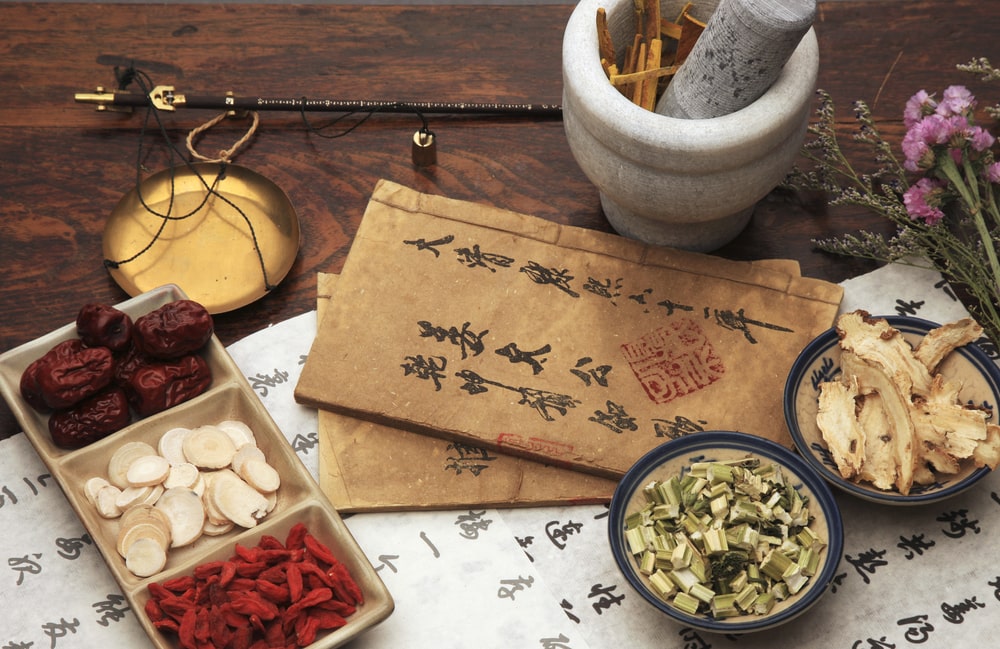
There are over 300 Chinese herbs in common use. The doctor prescribes combinations of herbs specifically suited to treat you and your condition to regulate the function states of the internal organs and the immune system, to re-establish balance and harmony, and to promote and enhance the body’s resistance to ill health. Herbal treatment used to employ dry herbs requiring patient to cook at home by boiling for 30mins. Nowadays herbs are manufactured increasingly in the concentrated granule form for better control of the quality/standards and the convenience of use.

Acupuncture
The use of needles at special points on the body’s meridians to restore or maintain health is an ancient medical system which originated in China and has been revived and developed to become one of the world’s most sophisticated and advanced forms of treatment for a wide range of disorders. Acupuncture is performed now with disposable needles which are exceptionally fine. It is to stimulate the relevant Qi points to improve the flow of the vital energy or life force and clear the blockages along the meridians. The use of needles is safe and virtually painless.

Acupressure
Acupressure is an ancient non-invasive form of therapeutic treatment, in which pressure is applied to acupuncture points of the body without using needles. Acupressure increases the free flow of Qi and circulation of blood to promote natural healing. The procedure also releases endorphins (the natural pain-relieving agents in the body), thus has certain relaxing effect.
Tuina (Chinese Physiotherapy)
Finger, palm or elbow pressure is applied around an area of the body or along the body’s meridians/pathways of Qi channels, using a wide range of different techniques (19 in total) including Tui Fa and Na Fa etc. It stimulates Qi mobilisation to regain Yin-Yang balance in certain parts of body. It is particularly effective in healing and dispelling of pain in conditions such as back, shoulder, neck and joint pain, headaches and sports injuries etc.

Chinese Reflexology
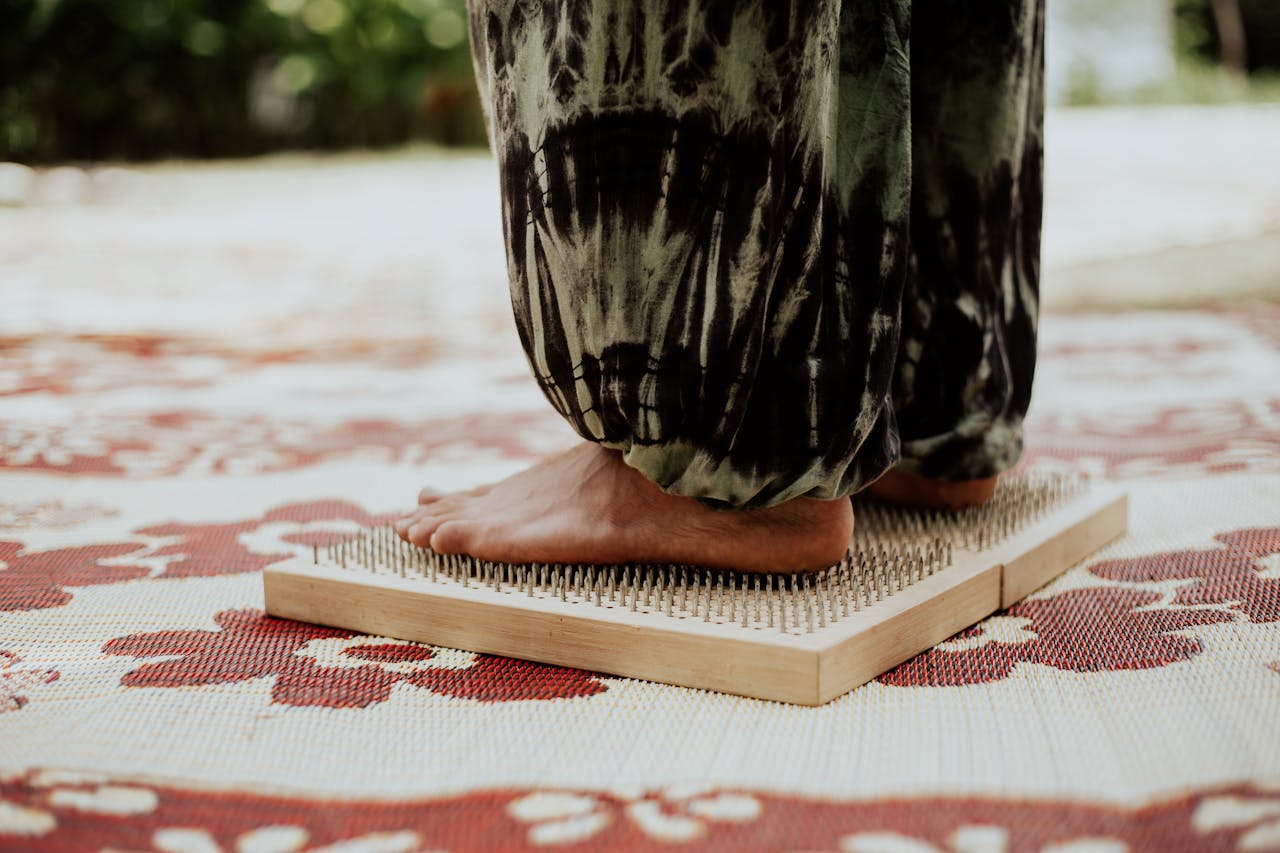
Chinese reflexology is a type of non-invasive treatment involving pressure application to the meridian points in the ears, hands, feet or lower legs to promote healing of internal organs or to relieve pain and tension in the feet or lower back. Chinese reflexology also helps detoxify the whole body and improve general health, sleeping patterns and mood by the natural Yin-Yang balance of Qi.

Gua Sha
Gua Sha is the practice of using a tool, usually made from wood or stone, to apply pressure and scrape the skin to relieve tension and pain. This action causes light bruising, which is often appears as purple or red spots known as Sha. The method is an effective way of detoxify the body by improving circulation and aiding the lymphatic drainage. It has many health benefits including achieve soothing stress, releasing tension, relaxing tight muscles, and improving sleep, circulation and immunity.

Moxibustion
Moxibustion is a form of heat therapy in which dried plant material called “moxa” is burned on or very near the surface of the skin. The intention is to warm and invigorate the flow of Qi in the body and dispel certain pathogenic influences. Moxibustion treatment can relieve all sorts of pain by warming the meridians, expelling internal cold, and/or removing dampness from the body; It can also improve female health and strengthen Qi and the immune system.

Cupping
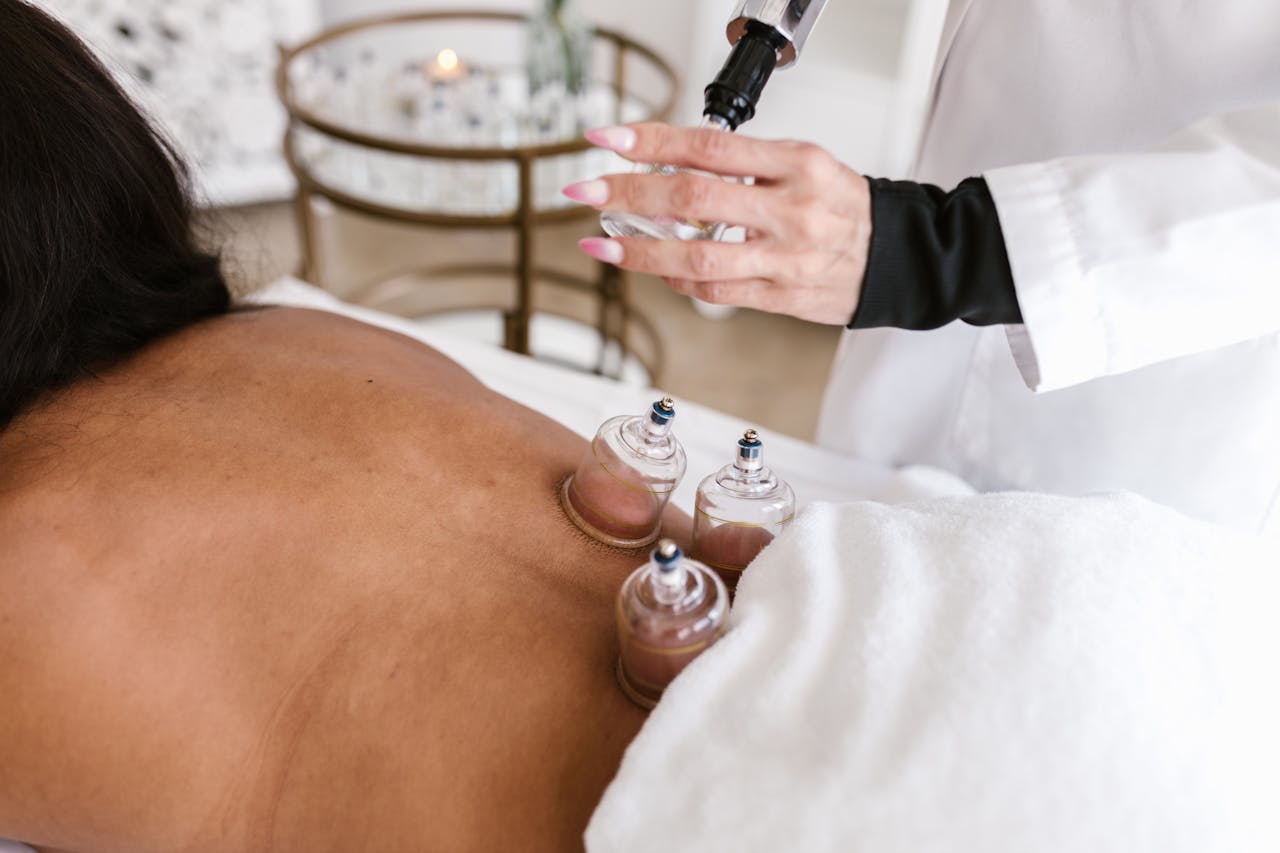
Cupping therapy involves glass cups being placed on the skin surface of the back. As the oxygen is removed from inside the cup to create a vacuum which draws the skin up into the cup. Cupping draws out the toxins in the blood, causing a mild temporary reddening of the skin. The method promotes the free flow of Qi in the channels and increase the local circulation of blood. It can be used for both preventive and therapeutic treatments musculoskeletal pain, digestive problems, asthma, cold and flu.
Tea Therapy
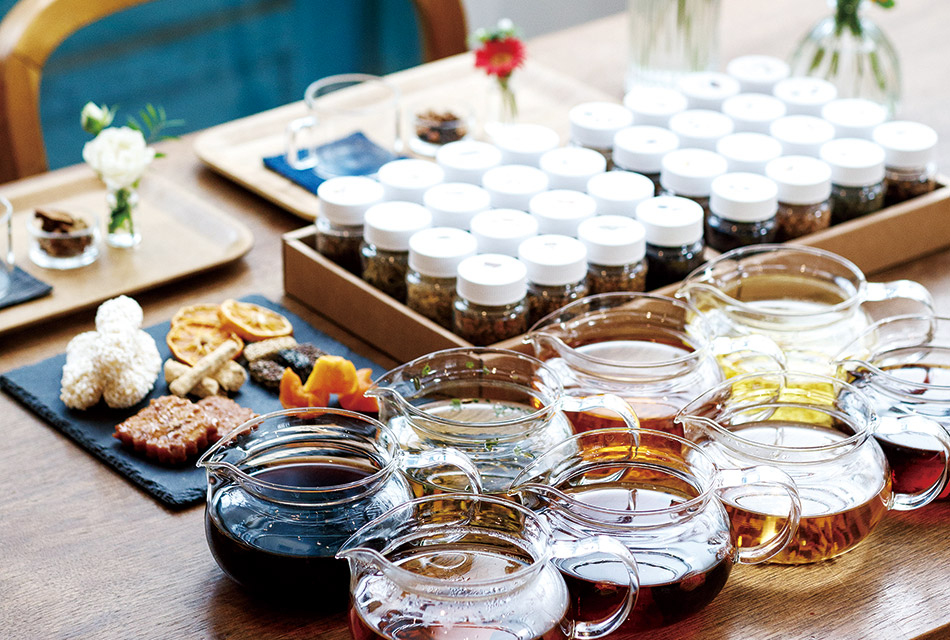
Tea is not only a delicious drink, but also has many healthy properties, therefore it has always been an essential part of TCM. Traditionally, there are six categories of Chinese teas: green, yellow, white, oolong, red and black teas, from which careful selection must be made according to the season of consumption and/or one’s state of health. For therapeutic purpose, teas can be classified into many different functioning application groups, such as “sleepy tea” to promote restful sleep, “detox tea” to supplement the natural detoxification process by promoting bowel movements and clear excess heat in the intestines, and “happy tea” to revitalise the heart and mind by soothing the liver qi & relieving stress.
Food Therapy
Everybody in China knows the old saying “diet and medicine share the same roots”. Shen Nong of Shang Dynasty (1700-1046 B.C.), who is regarded as the father of Chinese Medicine and responsible for the first Chinese herbal material medica (Shen Nong Ben Cao), was a famous chef and used food herbs daily. TCM food therapy is more concerned with the food properties (cold, cool, neutral, warm and hot) rather than the nutrients. Environmental and seasonal effects are also important considerations. For example, in cold winter, water melon should not be eaten especially for older or Yang-deficient people, instead stewed lamb with ginger may be recommended. By using food therapy to correct any imbalance within the body, people can maintain good health, prevent and cure common diseases such as cold and flu, while still enjoying delicious cuisine.
Qi Gong & Tai Chi
Qi Gong & Tai Chi are ancient Chinese exercises and healing techniques, and both can be considered as internal forms of martial arts. Qi Gong involves meditation, controlled breathing and movement exercises. Tai Chi is a slow-moving mind-body exercise, which can be practised by people of all ages. There are different styles of Tai Chi (e.g. Chen style, Yang style etc), but generally, the movements are circular and very gentle and relaxed. As it cultivates, moves and helps manage Qi, Tai Chi is sometimes referred to as a form of Qi Gong. The most important aspects are to learn to relax the body on a deep level and to be able to concentrate internally without any external distraction, thus promoting Qi flow and increasing the healing power. There have been many published research studies showing that Qi Gong and Tai Chi practice enhances immune, respiratory and cardiovascular and mental health.

Music Therapy
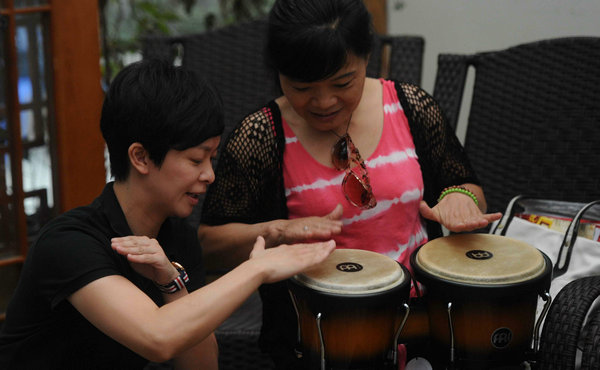
Ancient Chinese believe the sound and melody from the nature and their rhythm, quality and energy level reflecting the Tao of Yin-Yang, and healthy and happy life depending on living in harmony with the nature (and its sound of music). As recorded in China’s first medical text “The Yellow Emperor’s Classic of Internal Medicine”, TCM music therapy was based on five-element theory with each element corresponding to an internal organ, an emotion, a music note (Jiao, Zhi, Gong, Shang, or Yu), and each note provides a specific amount of healing. The Chinese music therapy has been found to benefit people with stress and emotional problems as well as other chronic and seasonal conditions.
Chinese Calligraphy
Chinese calligraphy is the stylised artistic writing of Chinese characters using a paint brush. Practicing calligraphy is not just about moving your hands, but actually involves your entire body as well as your heart, mind and spirits. The light physical exercise together with plenty of mind work are believed to have strong healing power and lots of health benefits (e.g. anti-aging and preventing dementia), if practised every day.
