
Yin-Yang Balance

Traditional Chinese Medicine (TCM) is a comprehensive healthcare system developed over thousands of years. It uses a range of unique therapies (including herbal medicine, acupuncture, moxibustion, tuina, cupping and taichi/qigong etc) to treat/prevent illness, to restore/promote health, and to maintain/prolong good quality of life.
TCM takes into account not only the symptoms but also the patient’s age, habits, lifestyle, physical and emotional factors, and all other aspects of the person, and attempts to put together an overall picture of the patient in order to evaluate any patterns of disharmony (Yin-Yang imbalance). The aim of TCM treatment is to correct this disharmony, thus restoring the natural Yin-Yang balance of the whole system and achieving the equilibrium between the mind and the body.
Diagnosis
Doctors of TCM try to determine the nature of the disharmony in the body by careful questioning, observation of the patient and examination of the pulse and tongue. Pulse and tongue diagnosis are highly refined in Chinese medicine.
The pulse is felt at the wrists on the radiant artery and its strength, rhythm and quality indicate the balance of energy and the state of the disease. The tongue, from the shape, colour, coating and movement indicate the progression and degree of the illness.
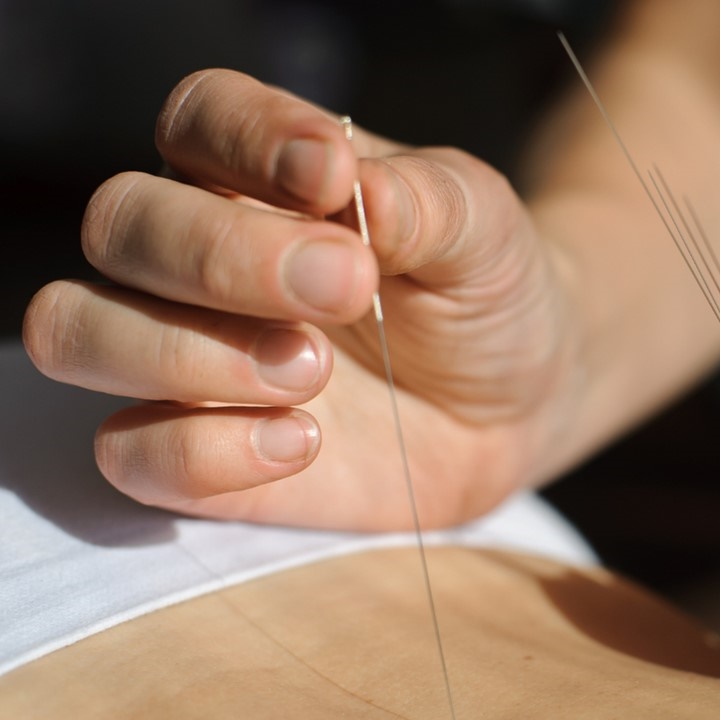
By examining the pulse and the tongue, what the doctor is looking for are not symptoms in isolation, but a pattern which gives a total picture of the patient. The aim is to identify the roots of the disease and to decide on an appropriate treatment plan using herbal medicine, acupuncture, moxibustion, tuina, cupping, guasha, qigong or a combination of these and other TCM methods.
Treatment
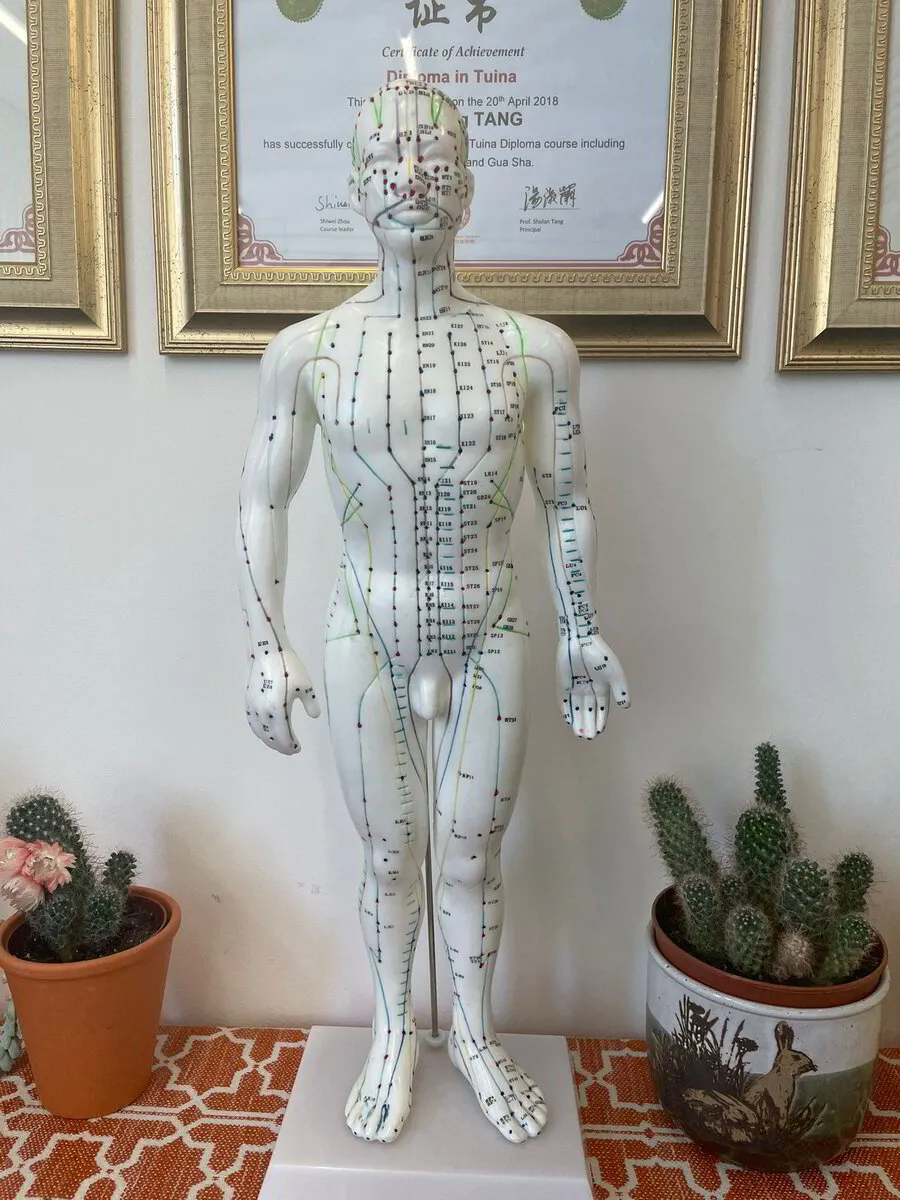
Chinese medicine sees that all parts of human body are connected as a system, so it treats any disharmony by readjusting the systematic Yin-Yang to restore the balance state according to the four principles: replenishing the deficiency, reducing the excess, warming the cold and clearing the heat. TCM doctors are trained to recognise diseases often long before the patient is aware of any illness. They are, therefore, concerned with not only treating illness, but also, by treating the whole body, preventing it. Once an appropriate method of treatment has been decided, the doctor will propose a course of consultation/therapy. Treatment of more severe or chronic problems is usually two or three times per week, or even daily, involving a large course of treatment, for recent or acute conditions a short but intensive course may be necessary, involving several consultations on an almost daily basis. The number of treatments depends entirely on the nature of the problem.
About Dr. Tony TANG

Dr Tang is highly qualified and trained in the medical fields. He was educated in both TCM college and western medical school. In 1986, he was awarded a British Council scholarship to study for a PhD at the Faculty of Medicine in the University of Newcastle (UK), eventually obtaining the highest academic degree. He also studied traditional Chinese medicine for many years (in China & UK), and successfully completed and passed three diploma courses at Shulan College of Chinese Medicine, subsequently obtaining the diplomas in Chinese Herbal Medicine, Acupuncture, and Tuina including Cupping, moxibustion and Guasha, respectively. Dr Tang has been admitted to full professional membership of the Federation of Traditional Chinese Medicine Practitioners in the UK.
For many years, Dr Tang had been a specialist in clinical and diagnostic immunology, and had worked in the field of immunological diagnosis and therapy of cancer in the UK (Birmingham) and USA (Knoxville) and China (Shenzhen). While working on the Human Immunology & Cancer Program in the University of Tennessee Medical Center in USA, he was the winner of an Award for “Excellence in Clinical Research” by the Physician’s Medical Education & Research Foundation in 2001. Dr Tang was also awarded a guest professorship at Shenzhen TCM Hospital (an affiliated hospital of Guangzhou University of Traditional Chinese Medicine, China) in 2017.
Over the last 15 years, Dr Tang has extensively researched into the vast Chinese classic literature database and studied in details those most related to life and medicine such as “Tao Te Ching”, “Yellow Emperor’s Classic of Internal Medicine” and “Treatise on Cold-induced Disorders”. He also tried many of the antient remedies, a variety of TCM techniques and their different combinations on himself, family members, relatives, friends and many patients. He has helped many people (both in China and UK) by treating successfully some most common conditions such as pain, infertility, skin/ sleeping/digestion problems. In recent years, he has been not only interested in applying TCM-based supportive medicine to treat patients, but also engaged in developing preventive TCM methods to promote and maintain health by strengthening the body’s immune system. By combining the ancient Chinese medicine with modern medical science, he has developed a unique understanding of and approach to preventing illness, treating diseases, maintaining health and prolonging life.
Dr Tang is now based in Plymouth and has established the Te Tao Chinese Medical Centre, aiming to provide comprehensive TCM healthcare services, as a supplement to NHS, to help more people to improve the quality of lives. The services provided in the Te Tao Chinese Medical Centre include TCM diagnosis, consultation, treatment, health evaluation and management. The treatment methods used include Chinese herbal medicine, acupuncture, tuina, acupressure, Chinese reflexology, moxibustion, cupping, guasha, qigong, taichi, food and tea therapies etc.